The Manifesto
Polymaths aren’t born. They’re wired.

The most slept-on skill of the next fifty years, and the method under it.
So a few years back I almost ended up in a coma and didn’t even clock it. I’d dropped like 7 kilos in a month and a half, thirsty all the time, peeing constantly, irritable as hell, and I connected none of it. Went in for a normal checkup and the nurse at the local health center basically panicked; my sugar was something like 20% over the line where people go under, and they rushed me to the ER. The whole time, everyone’s telling me the same thing. This is it now. Insulin, for life. And I’m lying there already deciding they’re wrong. Not in denial about being sick, I knew I was sick. I just knew I was going to reverse it. Don’t ask me how.
And I did reverse it. That’s not really the point though, and it’s not why I’m writing this.
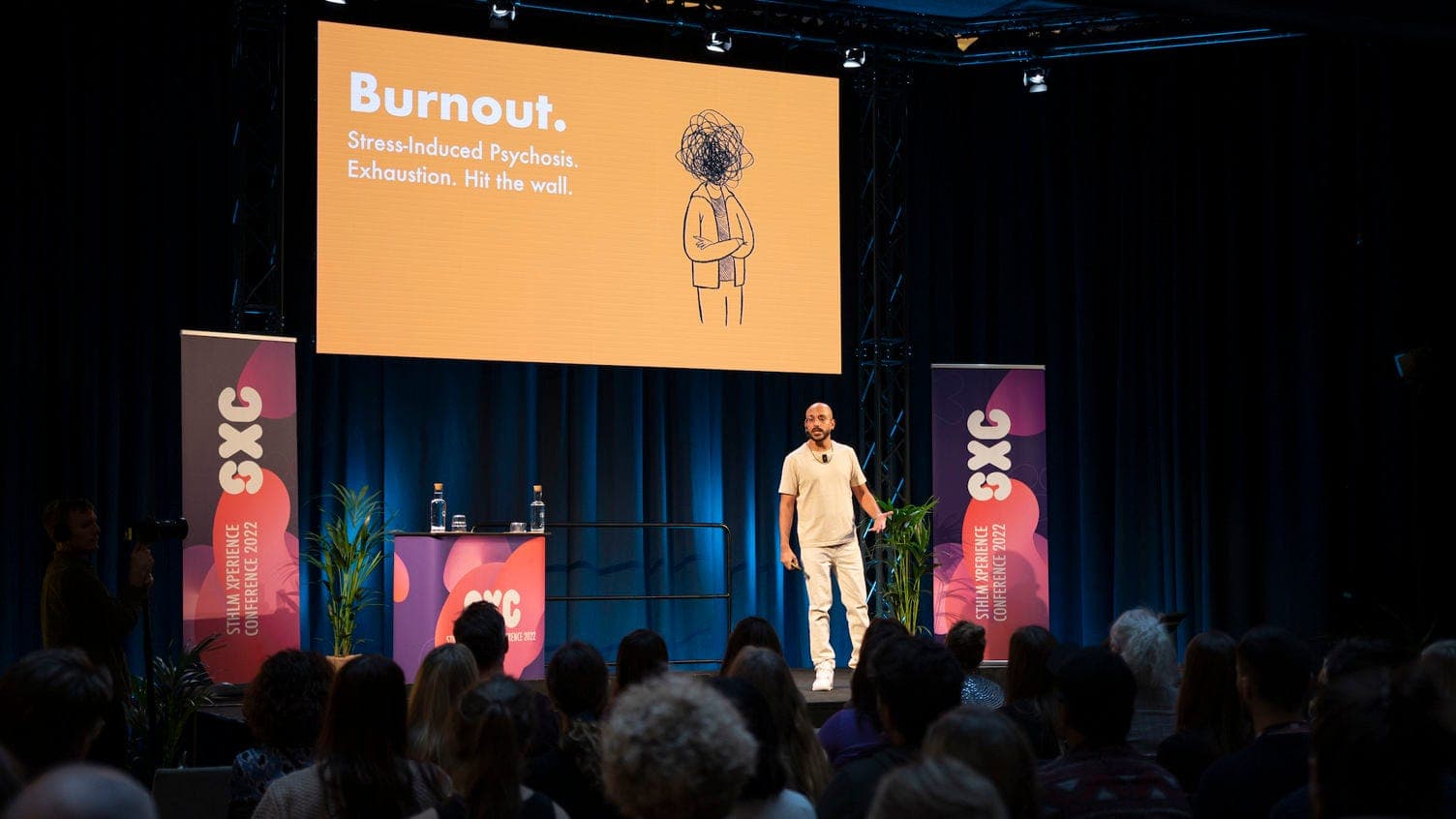
The point is what I found about a year and a half later, when I sat down and actually picked apart how I’d done it. I hadn’t invented anything. I’d used the exact same thing I taught myself to dance with as a kid. It’s what later dragged me out of a burnout so bad that I was sleeping 21-22 hours a day for three weeks (which I spoke about at the SXC conference in 2022). It’s how I still pick up a whole craft in a few weeks that takes most people years. One move, different costume every time.
I want to give it a name, because I’ve started to think it’s the most slept-on skill of the next fifty years, and basically nobody teaches it on purpose.
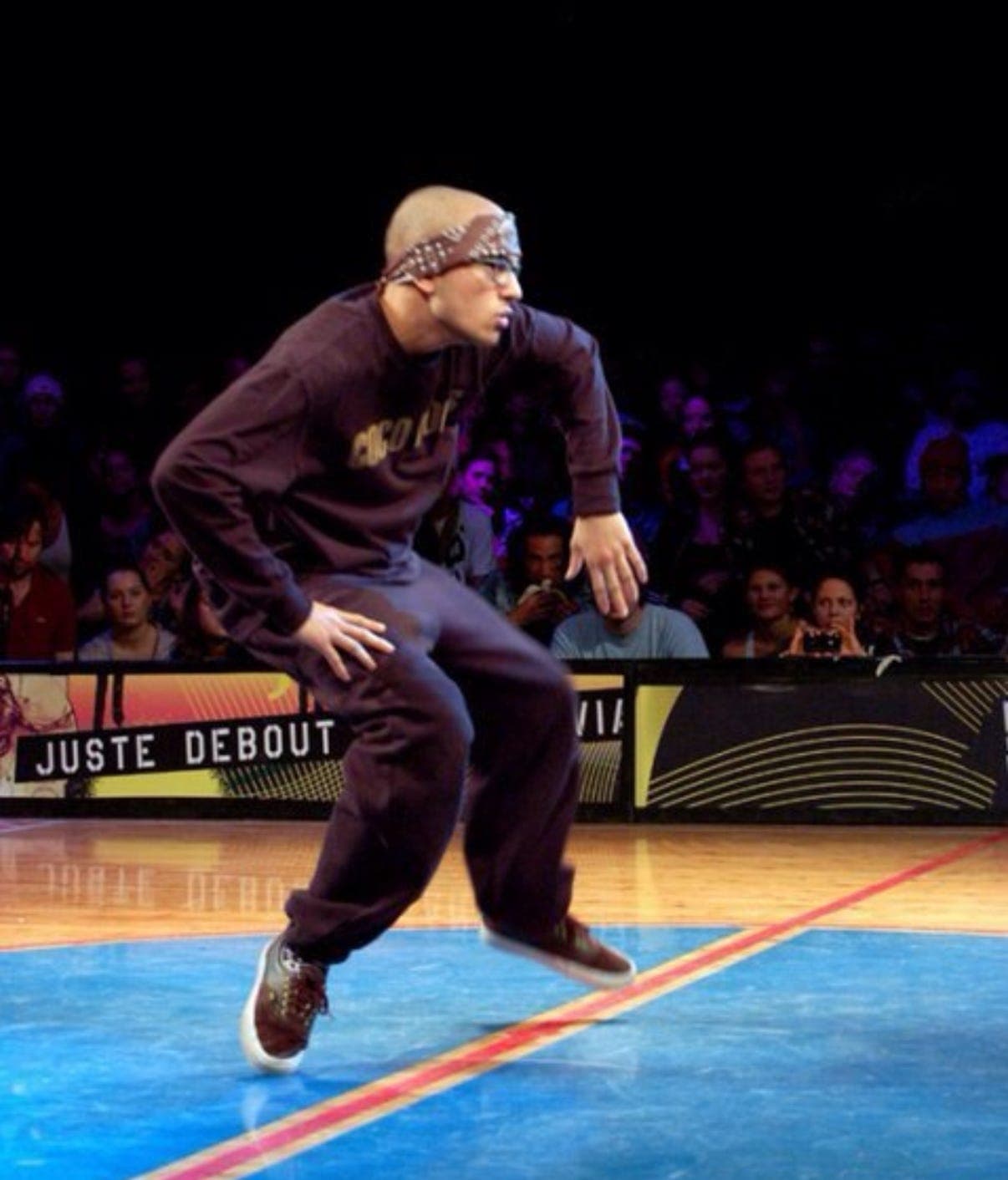
It started on a dance floor. Popping, specifically, which is all about control, freezing, hitting, making your body look like a machine catching frames. When I was learning, I couldn’t just watch a move and copy it. Nobody can; that’s a lie people tell themselves. So I broke it. Took a two-second move and cut it into the smallest fragments it would go, frame by frame, drilled each one till it was clean, then linked them back up. The ones that weren’t perfected I pulled out and drilled on their own till perfection. Do that a few hundred times and something weird happens. You stop thinking in moves. You think in frames, and the moves kind of build themselves.
Didn’t realize it at the time, but that was it. That was the whole tool, and I’d never really need another one.
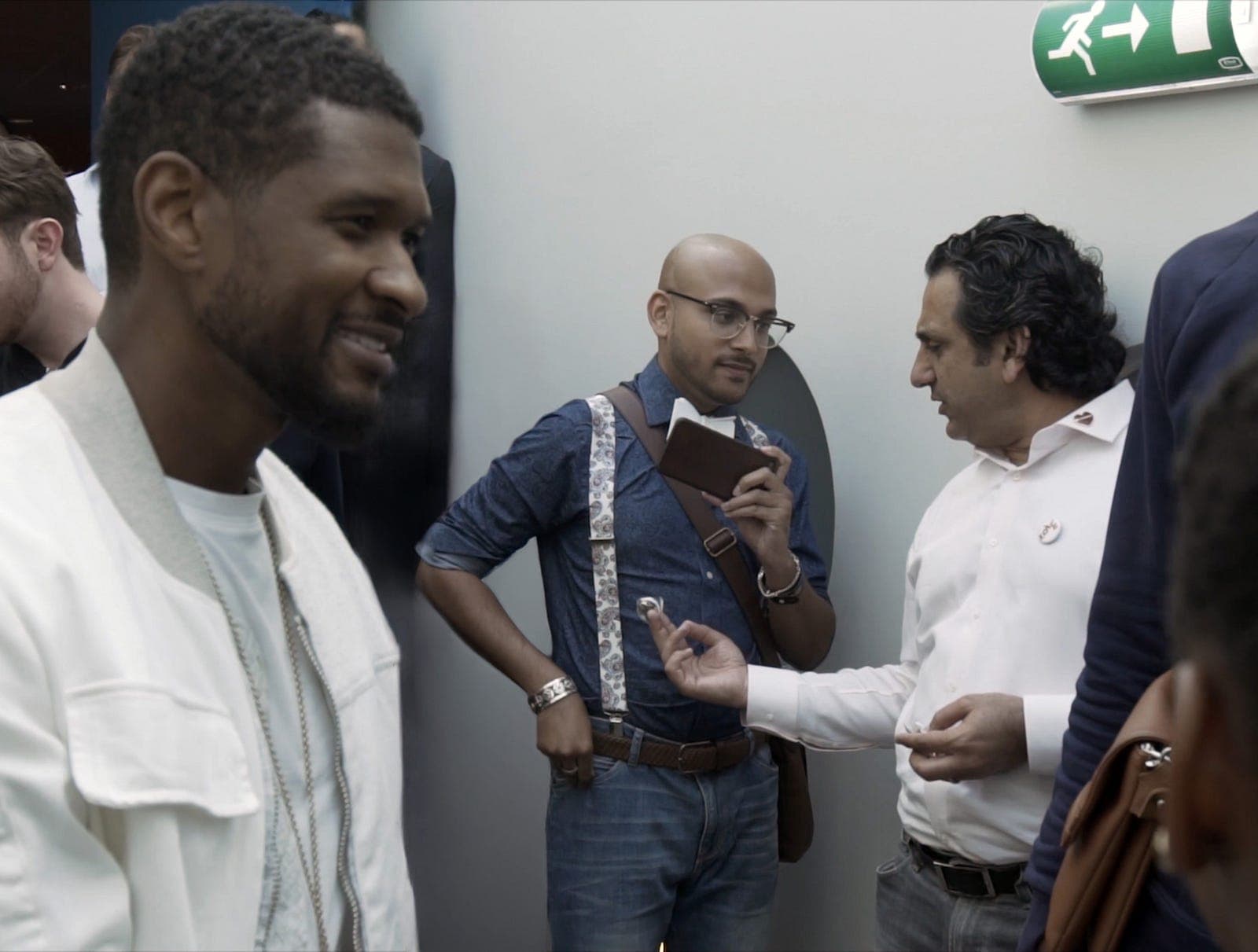
Blood sugar isn’t a dance move. It came apart the exact same way. I measured mine 8, 10, and 12 times a day for months, wrote it all down, until I could read it like a sentence. This food, that spike. Bad night’s sleep, crash the next day. Turned out stress wrecked me harder than sugar did, which not one person at that hospital mentioned. Every one of those was a frame. I drilled the ones that mattered, dropped the ones that didn’t, and the whole thing slowly came apart in my hands. Not how the pamphlet says it works. How it actually works. The confirmation, when it finally came, turned up in about the last place you’d expect. Back in 2018, Quincy Jones III and I brought Usher out to the suburbs of Stockholm, and Usher travels with his own doctor, a guy named Dr. Habib Sadeghi, who’d beaten his own cancer years earlier with a mind-body method he’d developed himself. We got talking, and he invited me over to his hotel, gave me his book The Clarity Cleanse, and told me the exact same thing my own numbers had been telling me for months. Comes down to what you eat and how stressed you are. That’s it.
The burnout ran the same play, except the hardest frame was one everyone else kept getting wrong for me. They were all certain it was the work. Overwork, too many projects, slow down. I knew it wasn’t, and it turned out I was right. It was emotional stress, and the day a psychologist finally agreed with me on that instead of blaming my calendar was the day I could actually start climbing out. Get the root wrong, and you’ll drill the wrong frames for years, perfectly, and never understand why nothing moves.
Here’s where it stops being a productivity thing and gets a little strange.
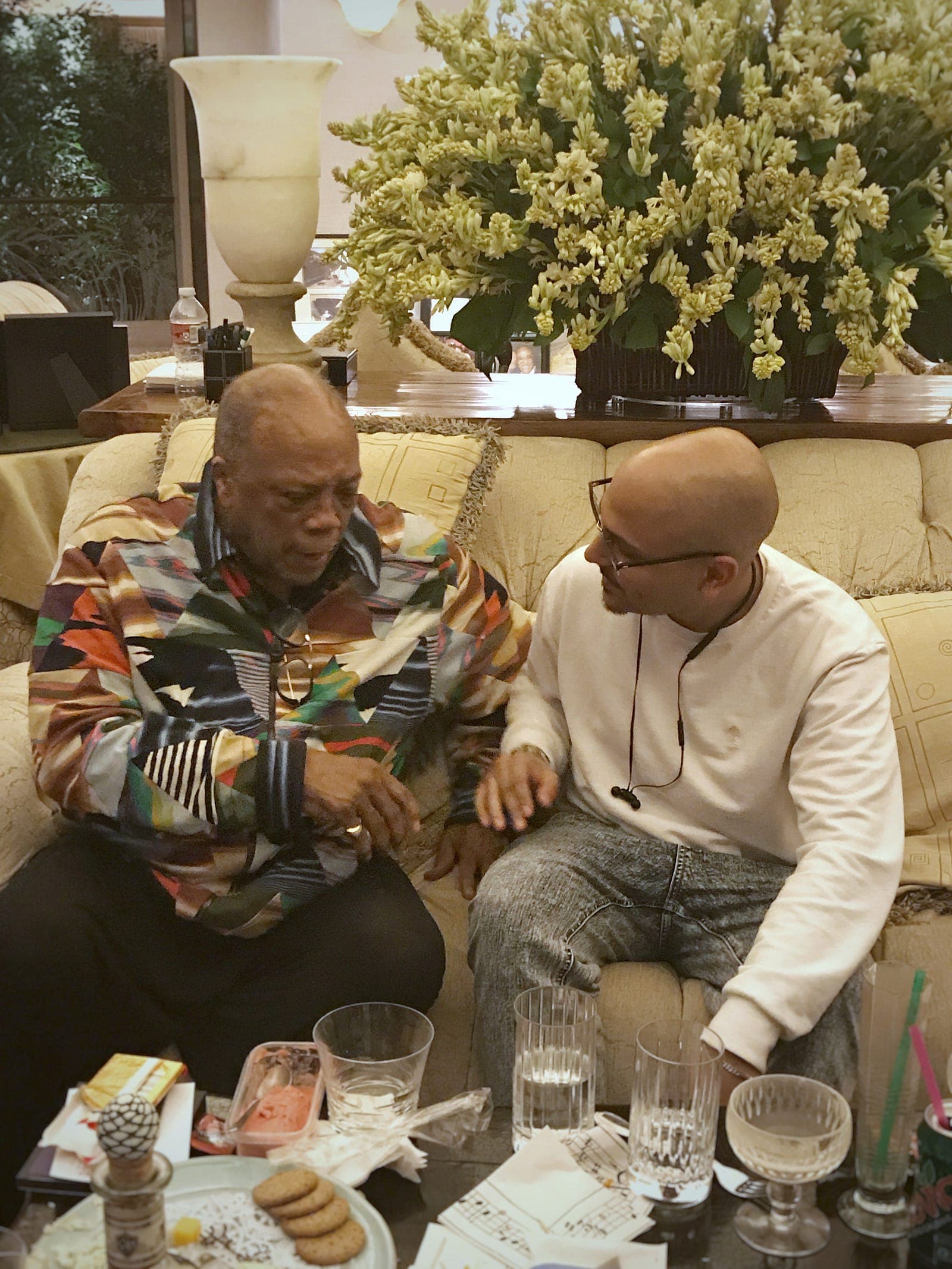
Take enough stuff apart like this, and it starts talking to itself without your permission. First time I caught it, I was learning music and realized it was basically dance with the body taken out. Same counting, same push and release. Then photography turned out to be performance holding still, and design was photography with a grid under it. I wasn’t collecting hobbies. I was building lenses, and every new thing just clicked onto the ones I already had. Quincy told me his own version of this once. He’d been at a dinner where the chef walked him through how flavors actually work, how you play salt against sugar, acid against spice, so no single thing takes over the plate. And somewhere in it Quincy realized the chef was describing exactly what he did every time he mixed a record. Same move. You balance the loud against the quiet, the sharp against the warm, until the whole thing just sits right. Cooking and mixing were the same craft, just different rooms. He didn’t have a name for catching things like that. He just did it, all the time. Almost nobody who works this way can tell you how.
Now, I know how this sounds, because I’ve been the other version of it. The guy who’s into everything and finishes nothing. Ten tabs open, all of them shallow. That was me for years, honestly. And the difference between that guy and what I’m talking about isn’t talent, and it isn’t some attention-span thing. It’s one rule. You go all the way to the bottom of one thing before you let yourself touch the next. One craft to the bone, then the next, then the next. The wiring only fires if there’s something real to wire. Ten shallow things never connect to anything. They just rattle around in there.
What moved me from that first guy to this one was writing. Not the feelings kind, though that too. I turned the same tracking I did on my blood sugar onto my own head. Wrote my patterns down until I could actually see them, and once you can see a pattern you can aim it. You can’t focus a mind you’ve never looked at.
So that’s the whole thing, and it’s earned a name, because named things get taught, and unnamed things stay accidents. I call it the Framewire Method. Three moves. Frame it, break whatever’s in front of you into its smallest pieces. Drill it, master each piece and beat on the ones that lag. Wire it, which is the part you don’t actually do, the part that does itself: the pieces connect, and then they connect to everything else you already carry. Break anything into frames, master each, and they wire together. That’s the engine, under the dancing and the diabetes and every company I’ve built.
And we’re going to need it. Specialists had a good hundred-year run, but the payoff for going narrow is shrinking while you watch it, and the payoff for connecting is doing the opposite. Thing is, the word for people who work this way, polymath, still sounds like something you’re born as. Some Da Vinci gene you got, or you didn’t. It’s not. I watched myself build it out of a scattered kid who couldn’t finish a thing. If I can hand you the actual mechanism instead of the myth, maybe you don’t lose fifteen years thinking your range is something wrong with you.
I thought mine was, for a long time. Got that one wrong too.